
This week, Sierra Leone participated in two high-profile engagements in London that underscored the country’s commitment to strengthening its health system and advancing sustainable economic development.
On Thursday, 2 July 2026, Sierra Leone’s progress in maternal and child health featured prominently during a discussion at the UK Houses of Parliament, where Members of Parliament, policymakers, healthcare professionals and development partners reflected on the country’s health reforms and the implications of a changing global development financing landscape.
Later that day, the focus shifted to economic transformation as the Minister of Finance, Hon. Sheku Ahmed Fantamadi Bangura, led a high-level delegation at the London Hilton Metropole, robustly promoting Sierra Leone as a destination for investment, trade and sustainable economic growth.
Together, the two engagements conveyed a consistent message: Sierra Leone, under the leadership of H.E. President Julius Maada Bio, is strengthening its institutions, deepening governance reforms, promoting responsible country ownership and working with international partners to deliver sustainable development.
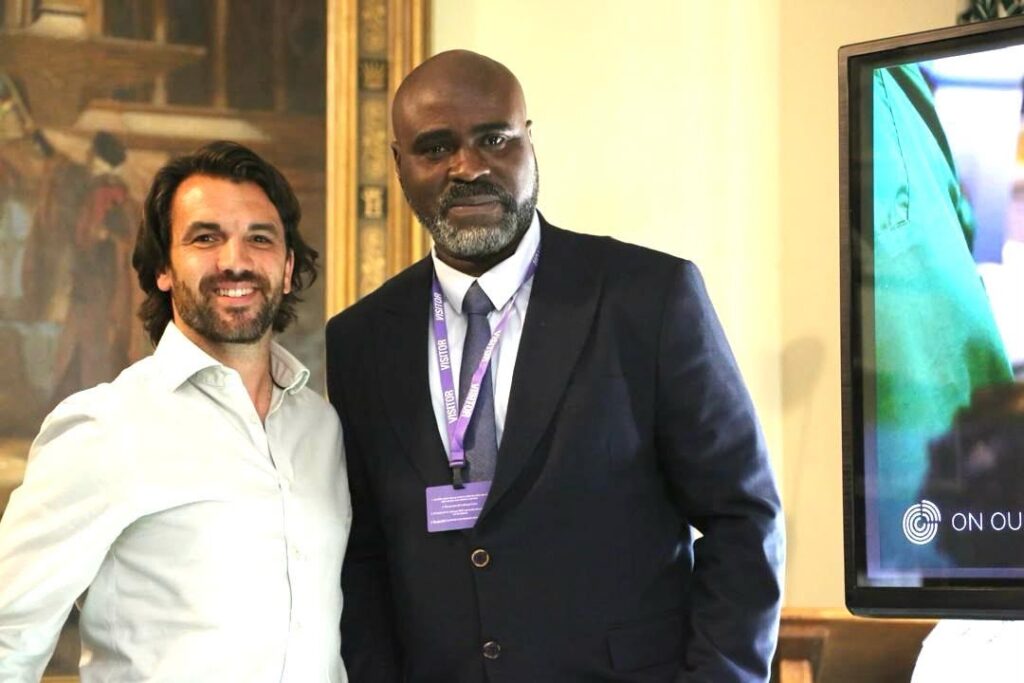
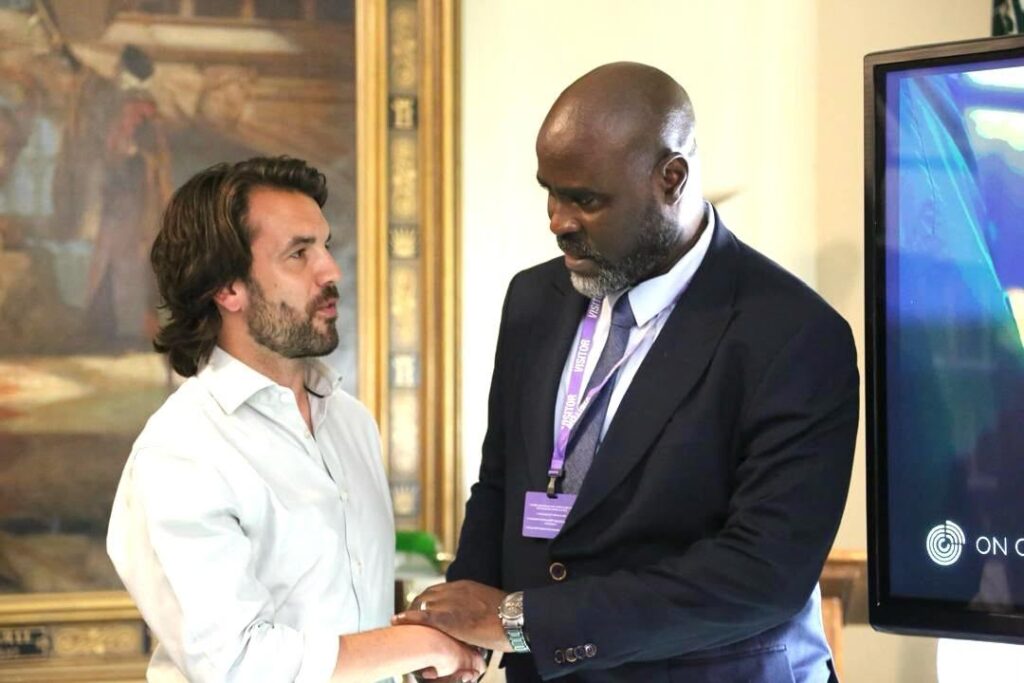
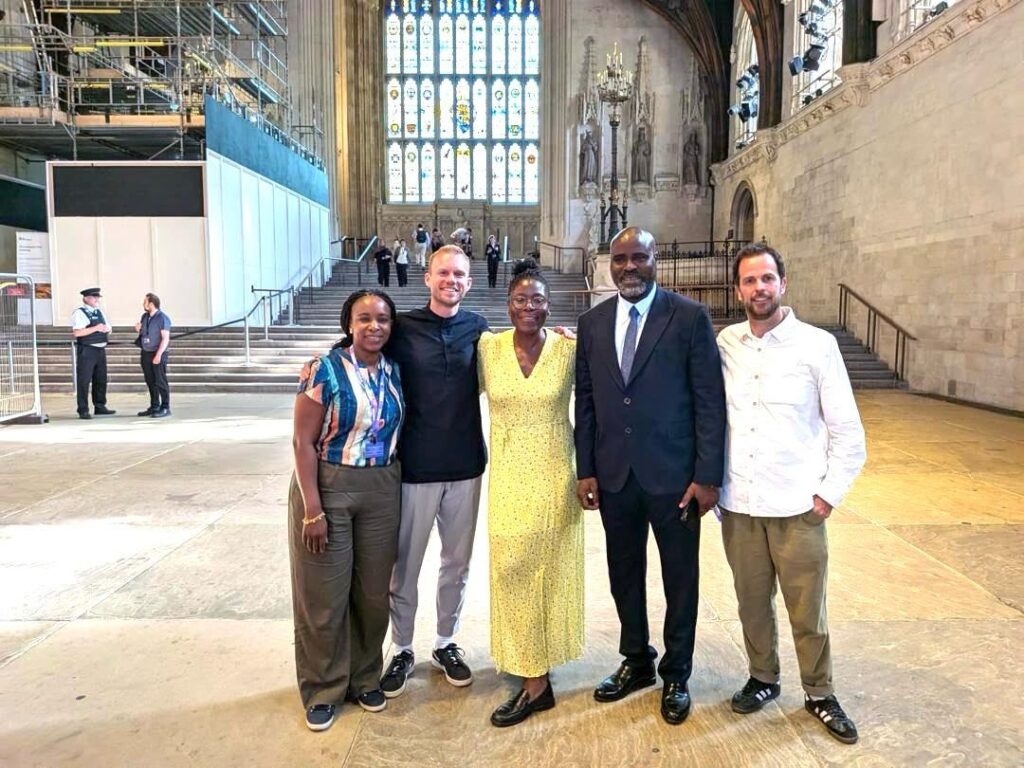
Representing Sierra Leone at Thursday’s parliamentary screening of a documentary highlighting maternal and newborn healthcare were Dr. Mustapha S. Kabba, Deputy Chief Medical Officer, Clinical Services, at the Ministry of Health, and Mrs. Yvonne King Odigboh, Deputy High Commissioner, at the Sierra Leone High Commission in the United Kingdom.
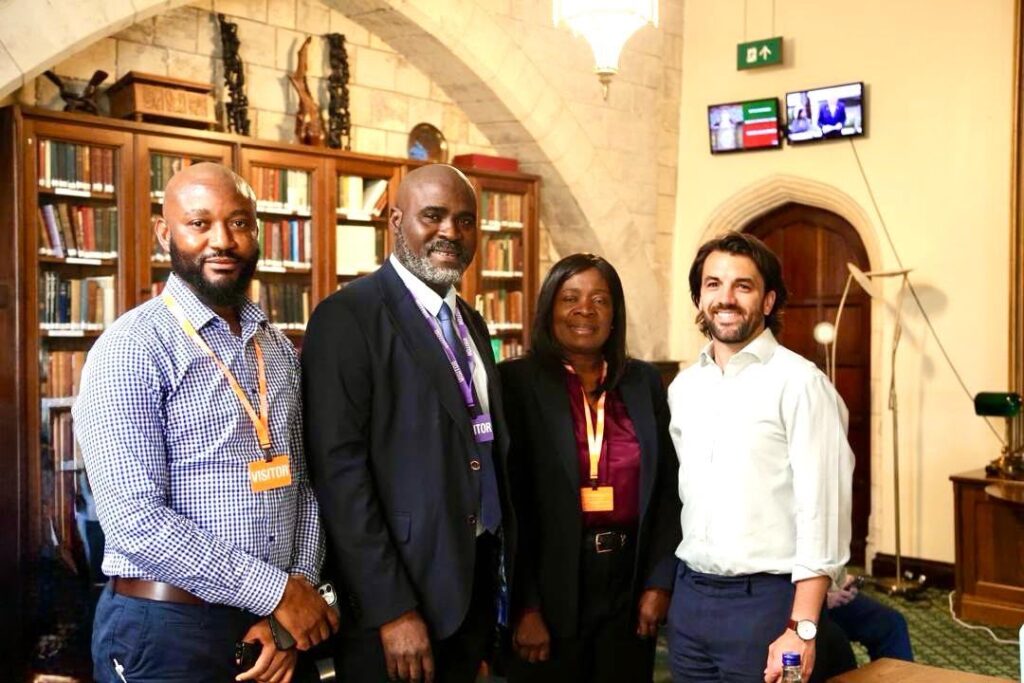
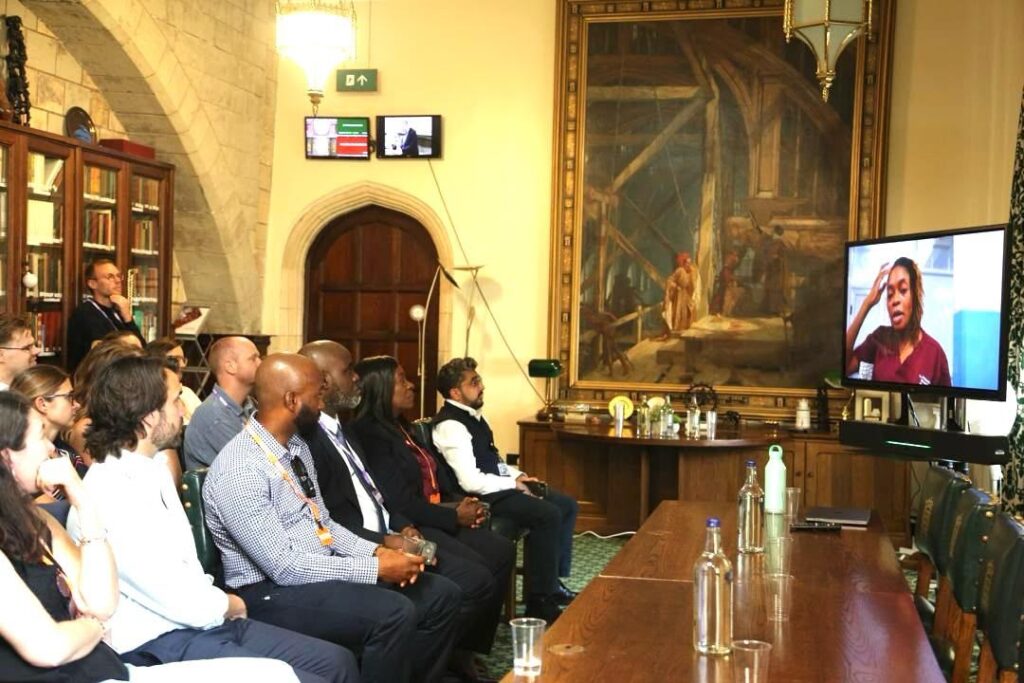
Hosted by Mr. Bobby Dean MP and moderated by award-winning journalist Eliza Anyangwe, Editor-in-Chief of The Fuller Project, the event brought together parliamentarians, civil society organisations and development practitioners. The discussion focused on protecting maternal and child health in an era of changing international development assistance. The documentary, produced by The Fuller Project and On Our Radar for Channel 4 News, highlighted the experiences of healthcare workers and mothers at the Princess Christian Maternity Hospital and Ola During Children’s Hospital in Freetown.
The discussion centred not only on the importance of international partnerships but also on how countries such as Sierra Leone are strengthening national systems to ensure that progress in maternal and child health can be sustained over the long term.
Sierra Leone’s health story today is proudly one of progress, resilience and reform.
According to the latest United Nations inter-agency estimates, maternal mortality has fallen from 1,682 deaths per 100,000 live births in 2000 to 354 in 2023: a reduction of nearly 80 percent. During the same period, under-five mortality declined from 223 deaths per 1,000 live births in 2000 to 91 in 2024, reflecting sound policy choices and years of sustained investment in maternal, newborn and child health.
There is a consensus among professional observers that these gains have also been driven by expanded immunisation, increased skilled birth attendance, strengthened emergency referral systems, improved access to primary healthcare, investments in health infrastructure, stronger community health services and sustained collaboration between the Government of Sierra Leone and its development partners.
Speaking after the event, Dr. Mustapha Kabba maintained that Sierra Leone remains committed not only to preserving these gains but to accelerating them through comprehensive health sector reforms.
“Our focus is not simply on preventing a reversal of the progress we have made,” he said. “We are strengthening the health system at every level so that these improvements become sustainable and irreversible.”
Dr. Kabba highlighted the Government’s Triple Zero Initiative, which aims to eliminate preventable maternal deaths, preventable child deaths and zero-dose children through stronger leadership, improved accountability and data-driven decision-making across all districts.
He also emphasised the Ministry of Health’s continued investment in digital health and health information systems, noting that timely and reliable data is increasingly guiding policy decisions, resource allocation and service delivery throughout the country.
“Data is no longer something we simply collect. It is helping us make better decisions, direct resources where they are needed most and strengthen accountability across the health system. As resources become more constrained, making every investment count becomes even more important.”
Dr. Kabba stressed that Sierra Leone is not seeking indefinite external financing but rather a well-managed transition towards greater national ownership and sustainability.
“Our ambition is to build a resilient health system that increasingly stands on its own. But we are at a critical juncture. We are doing the heavy lifting to strengthen institutions, improve service delivery and build resilience. More effort is required from everyone to ensure that the tremendous sacrifices made by the Government of Sierra Leone, our healthcare workers, communities and partners, including the United Kingdom, are sustained.”
He called for continued collaboration as countries navigate an evolving global financing environment.
“The conversation is about how our international partners can continue working alongside Sierra Leone as we transition towards greater self-reliance. That is how we protect the gains we have made and build a health system that is resilient, sustainable and increasingly domestically driven.”
Representing the Sierra Leone High Commission, Mrs. Yvonne King Odigboh reaffirmed the Mission’s commitment to strengthening cooperation between Sierra Leone and the United Kingdom across health, development, education, trade and investment.
The discussions in Westminster, together with the investment engagement held at the London Hilton Metropole, underscore Sierra Leone’s determination to drive its own development agenda while building enduring partnerships that support national priorities.
The message from both engagements was clear: Sierra Leone is not seeking permanent dependence on development assistance. Rather, it is pursuing a carefully managed transition towards stronger national ownership, supported by partnerships that strengthen institutions, invest in people and safeguard the remarkable progress already achieved in maternal and child health.
As Sierra Leone continues this journey, sustained collaboration will remain essential to ensuring that more mothers survive childbirth, more children reach their fifth birthday and way beyond, and the gains of recent years are protected and accelerated for future generations.
Abdulai Braima
Information Attaché
SLHC- London