
London, Friday 30 October 2026
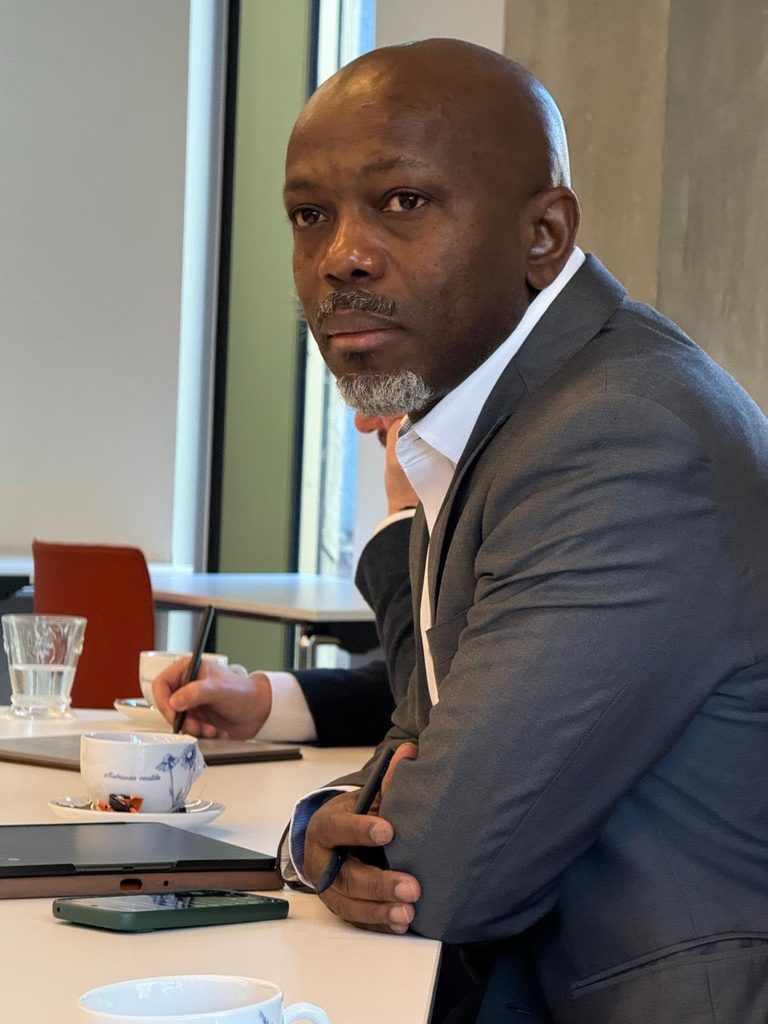
Sierra Leone’s *Minister of Environment and Climate Change, Hon. Jiwoh Abdulai*, has called for conservation and forest restoration to be more closely linked to improving community livelihoods, during a scientific engagement at the Royal Botanic Gardens, Kew, in London today.
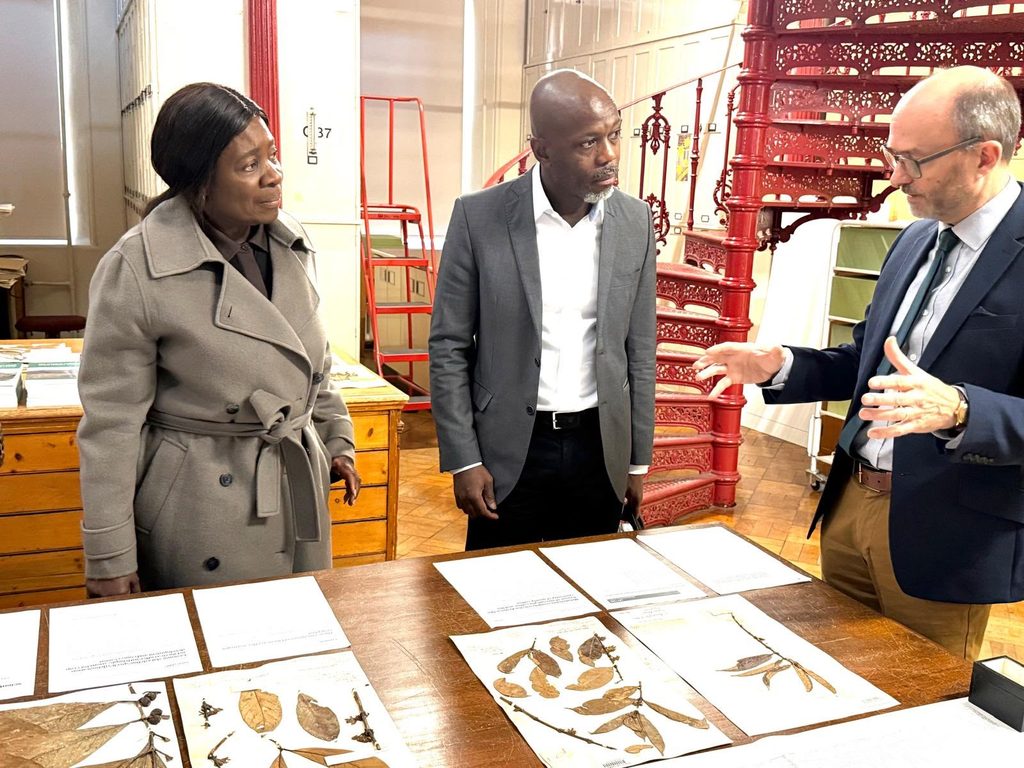
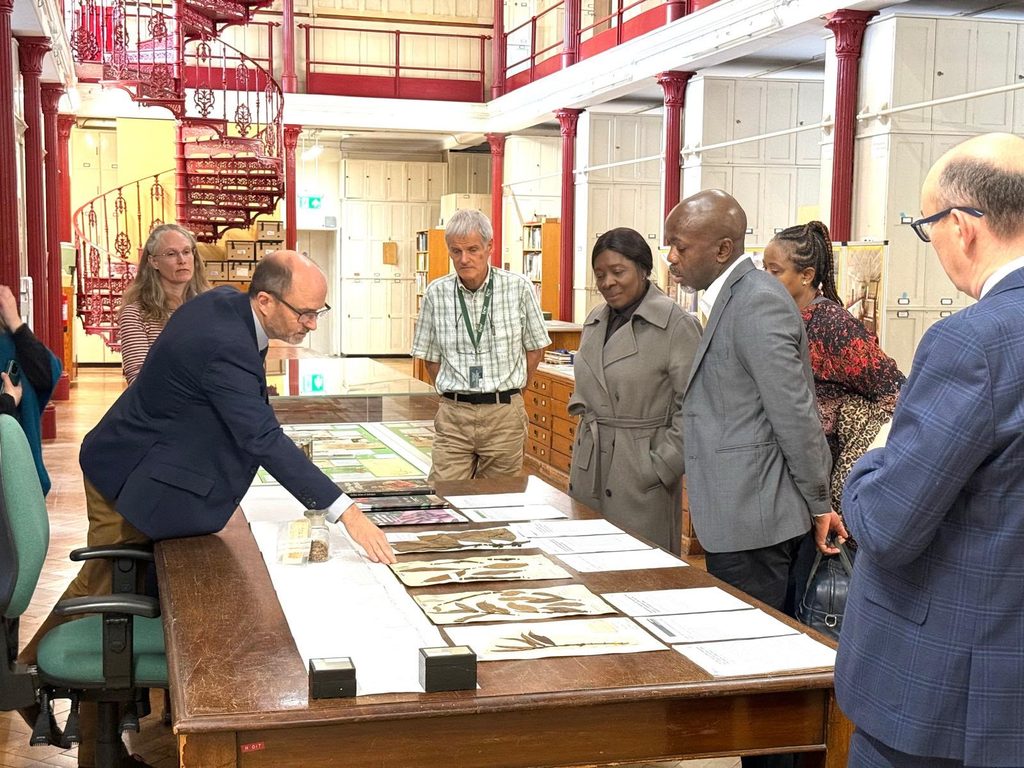
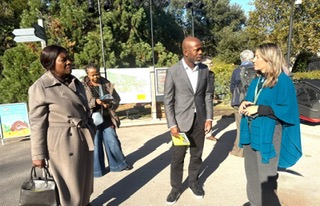
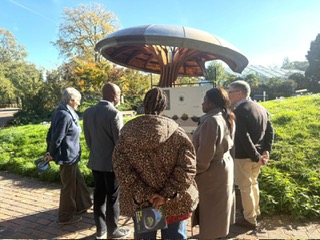
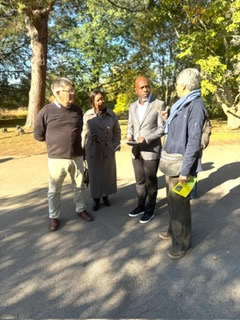
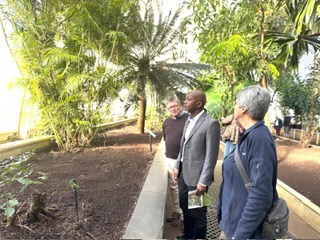
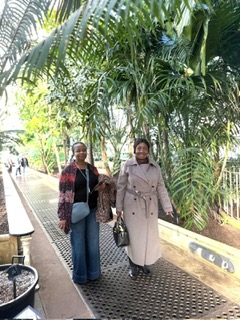
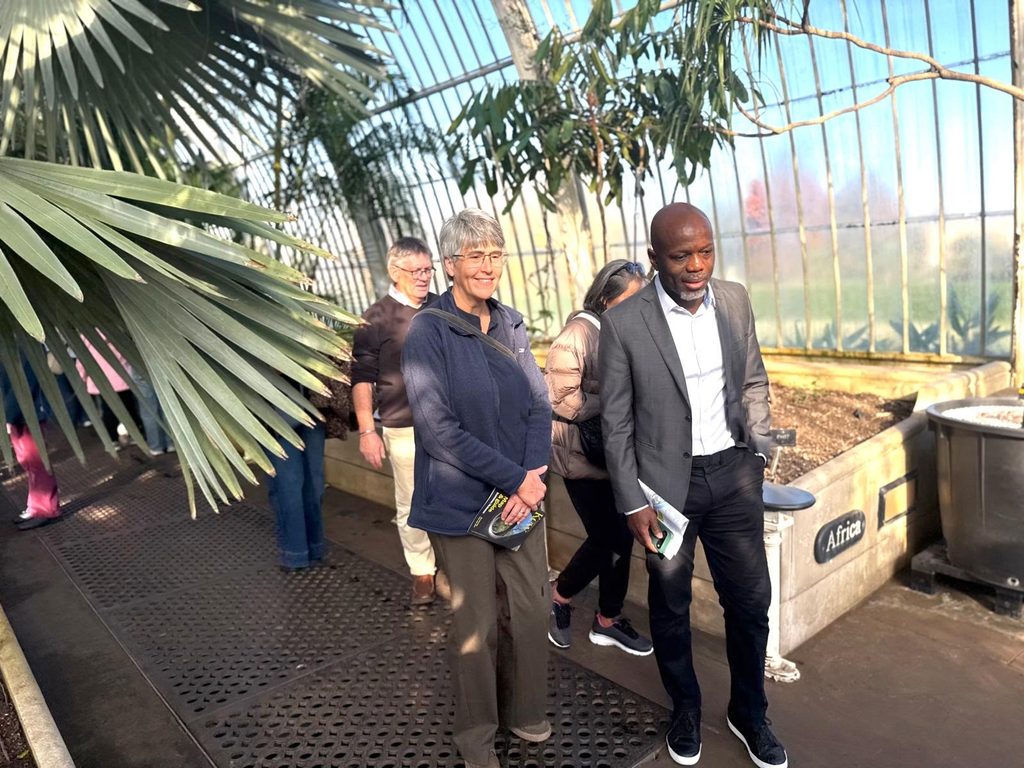
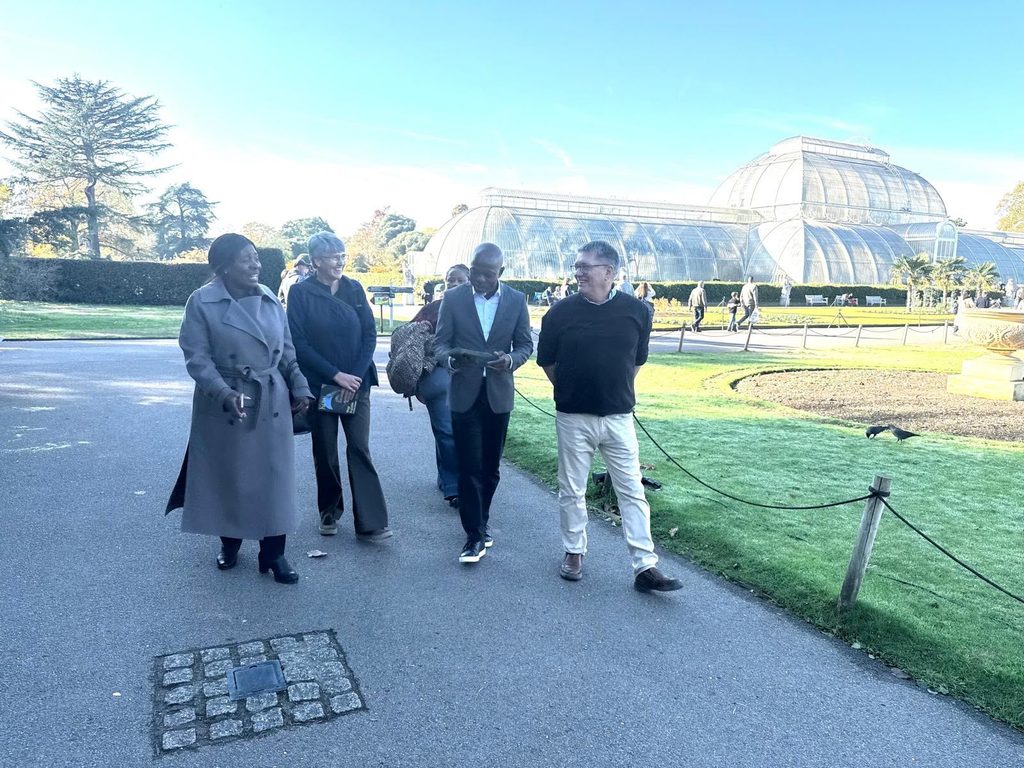
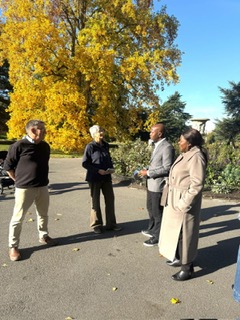
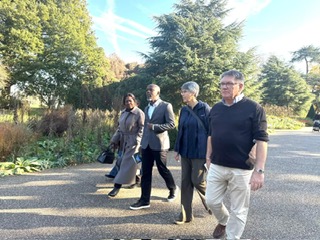
Accompanied by Sierra Leone’s *Deputy High Commissioner to the United Kingdom, Mrs. Yvonne King-Odigboh*, Minister Abdulai visited Kew’s world-renowned Herbarium and held discussions with scientists working on plant conservation, forest restoration and climate-resilient agriculture in Sierra Leone.
The visit comes at an important period in international climate diplomacy. Minister Abdulai is on his way to St John’s, Antigua and Barbuda, for the 2026 Commonwealth Heads of Government Meeting (CHOGM), where *climate resilience and sustainable development* are expected to feature prominently on the agenda.
His engagements also come ahead of *COP31*, where Minister Abdulai and UK Minister Miatta Fahnbulleh will serve as a ministerial pair helping to facilitate international consultations on climate adaptation. The two Ministers met in London yesterday to discuss their shared role ahead of the global climate talks.
Minister Abdulai arrived in London from Paris yesterday and immediately commenced scheduled engagements, including meetings with heads of organisations working in Sierra Leone. Among them was Ed Stephenson, Co-Founder and Co-CEO of *Rainforest Builder*, which is implementing *Project Buffalo*, initially targeting the restoration of 15,000 hectares of tropical forest in Sierra Leone while supporting rural livelihoods.
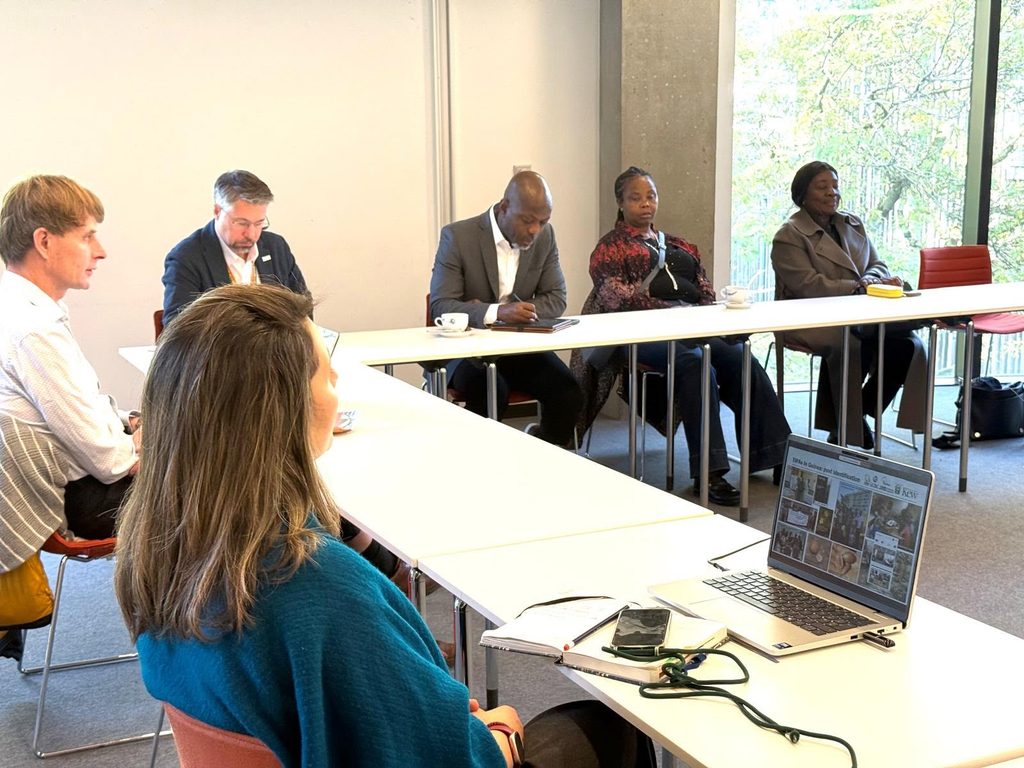
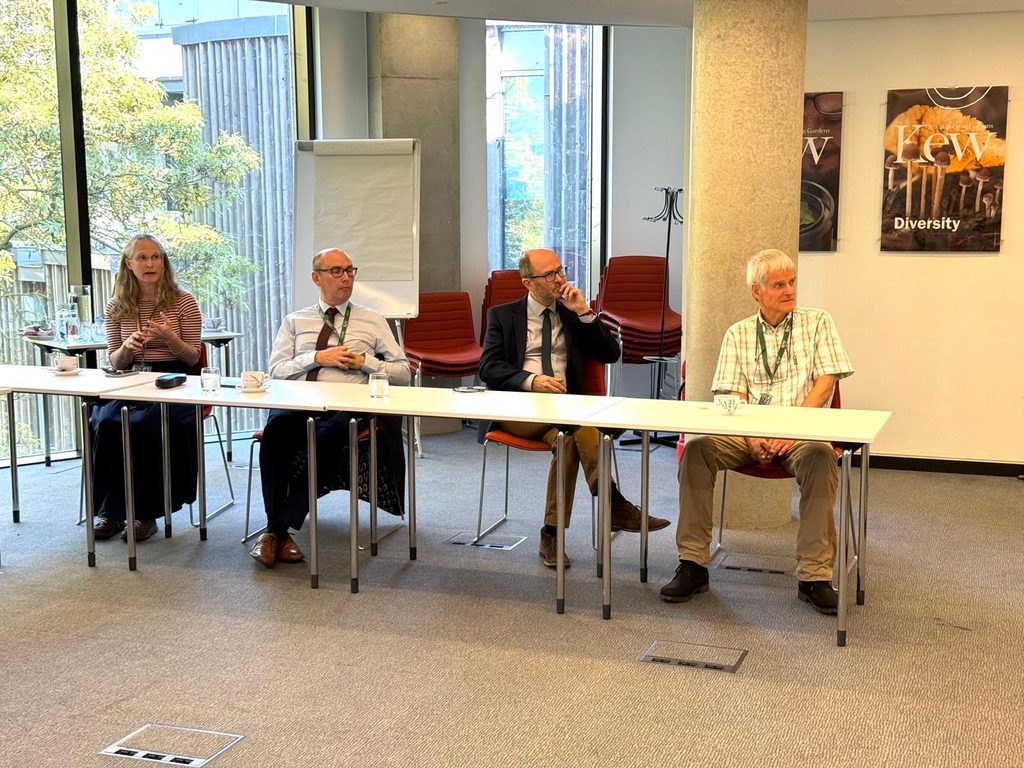
Today at Kew, the Minister’s delegation was received by scientists including Paul Kersey, Director of Research; Iain Darbyshire, Senior Research Leader; Charlotte Couch, Research Associate for West Africa; and Aaron Davis, Senior Research Leader for Crops and Climate Change.
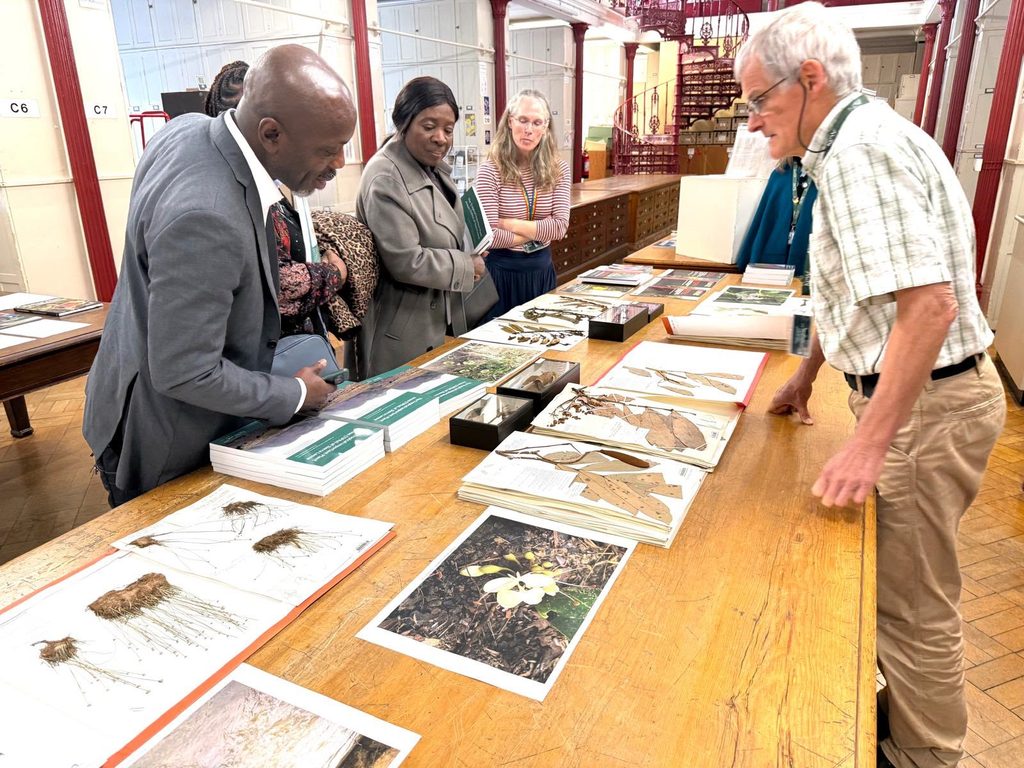
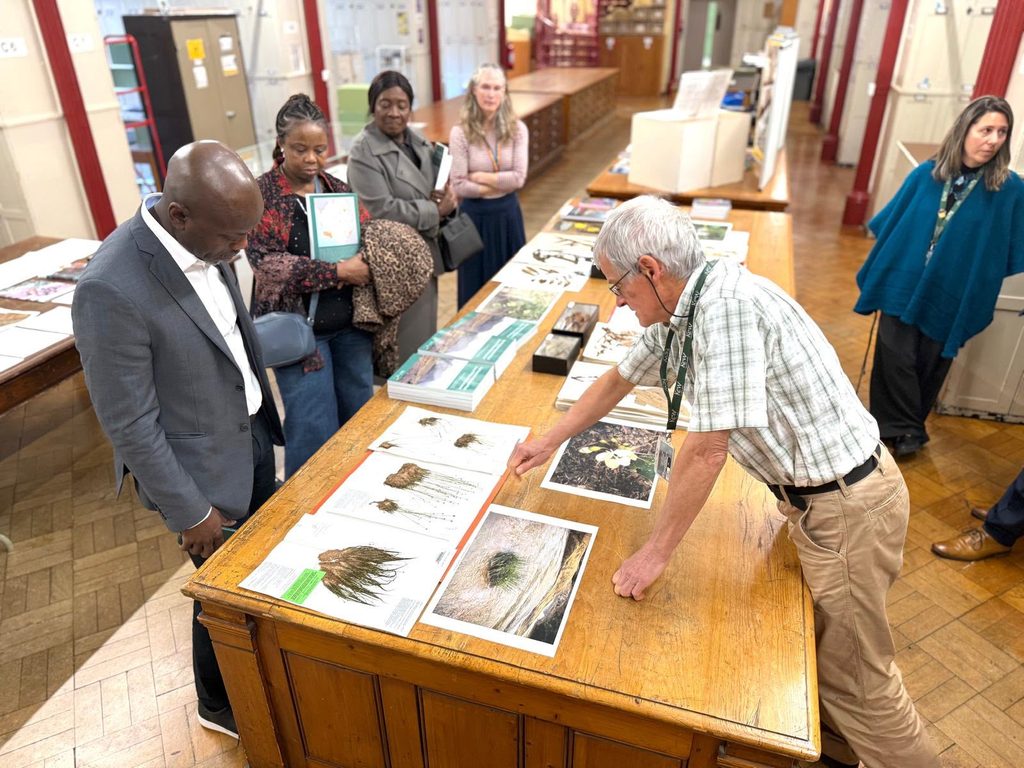
Presentations highlighted more than a decade of Kew’s scientific collaboration in Sierra Leone, covering threatened plants and habitats, conservation planning and capacity building.
Researchers have identified and assessed *23 Tropical Important Plant Areas (TIPAs)* across Sierra Leone. Although covering about 13.7 per cent of the country, they encompass nearly 79 per cent of its threatened plant species.
Discussions also covered a recent plant identification course at Njala University, organised in collaboration with Kew and the National Herbarium of Sierra Leone, which attracted more than 200 applicants.
Minister Abdulai welcomed efforts to train the next generation of scientists but stressed that communities must “*own the conversation*” around restoration and see tangible benefits from conservation, including improved livelihoods and economic opportunities linked to forests, valuable tree species and medicinal plants.
Underscoring the need for *greater public awareness*, the Minister said: “*The people must be made to understand that we don’t just want to plant trees for trees’ sake*,” emphasising that restoration should support soil health, climate adaptation, economic opportunities and sustainable livelihoods.
In addition to the many other areas discussed during the meeting, Mrs. King-Odigboh also underlined the importance of passing traditional knowledge of medicinal plants on to younger generations, while exploring their potential to create economic opportunities. Her remarks echoed an earlier point by Minister Abdulai on the need to preserve Sierra Leone’s valuable traditional knowledge and skills, even as climate change increasingly threatens the land and natural resources from which much of that knowledge has evolved.
A major focus of the engagement was *Coffea stenophylla*, the rare indigenous coffee species associated with Sierra Leone and described during the presentation as a scientific “*rule breaker*” due to its high temperature tolerance, and amazing genetic value.
Research shows that *stenophylla* can grow under substantially warmer conditions than Arabica while producing a remarkably similar flavour. The species had not been recorded in the wild in Sierra Leone since 1954 before its rediscovery there in 2018, generating international interest in its potential as climate change increasingly threatens conventional coffee production.
Kew and its partners are working to revitalise *stenophylla* cultivation through research, trial plots and community participation, offering potential opportunities for climate-resilient agriculture, speciality coffee production and increased rural incomes.
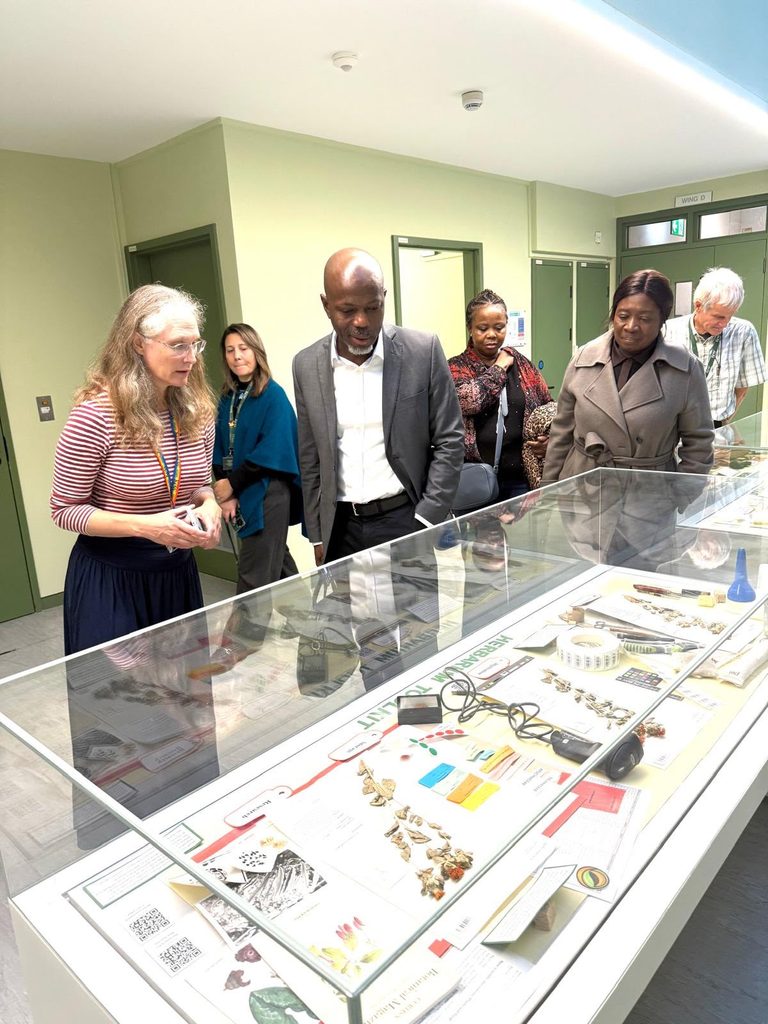
The delegation later toured the *Kew Herbarium*, viewing coffee specimens and botanical collections from Sierra Leone, including material preserved for more than a century.
Minister Abdulai said stronger partnerships among Government, universities, researchers, environmental organisations and communities could help protect Sierra Leone’s natural assets while ensuring they contribute to climate resilience, employment and improved livelihoods.
“*Our people will be obliged to adapt, but without adequate support, their adaptation may come at a grave cost to the environment*,” he warned.
Today’s Kew engagement forms part of a wider agenda as Minister Abdulai advances Sierra Leone’s environmental interests through international partnerships and into forthcoming Commonwealth and global climate discussions.
Abdulai Braima
Information Attaché