
𝐎𝐱𝐟𝐨𝐫𝐝, 𝐔𝐧𝐢𝐭𝐞𝐝 𝐊𝐢𝐧𝐠𝐝𝐨𝐦, 𝐒𝐚𝐭𝐮𝐫𝐝𝐚𝐲 𝟐𝟒𝐭𝐡 𝐌𝐚𝐲, 𝟐𝟎𝟐𝟓
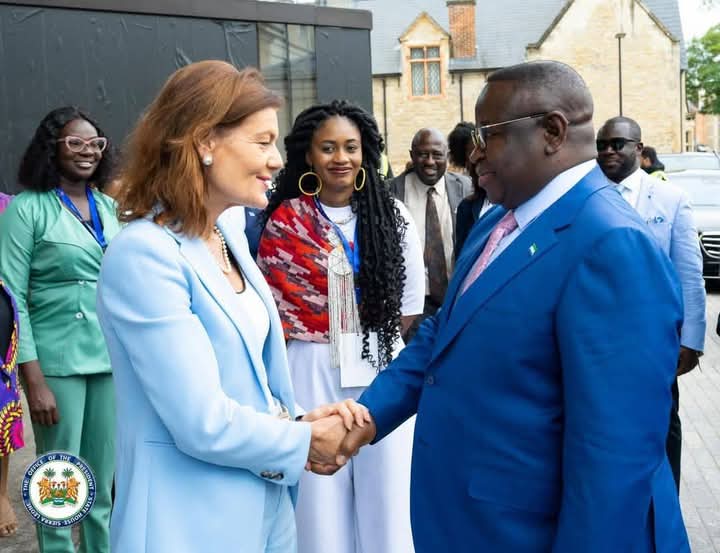
At the prestigious Oxford Africa Conference 2025, held on the eve of Africa Day, Sierra Leone’s President Julius Maada Bio delivered a powerful keynote address calling for Africans to reclaim the narrative about their continent and assert “African Agency” in shaping their own destinies.
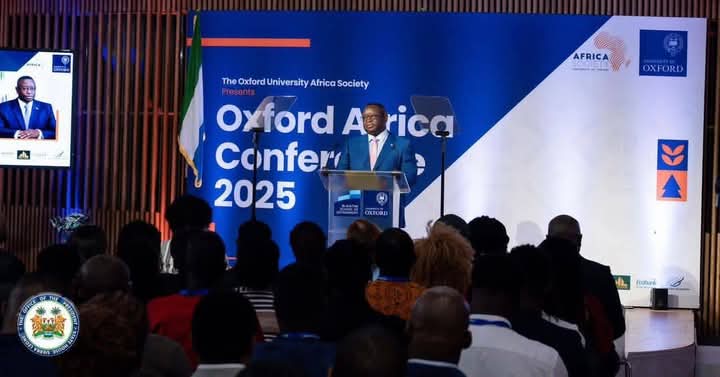
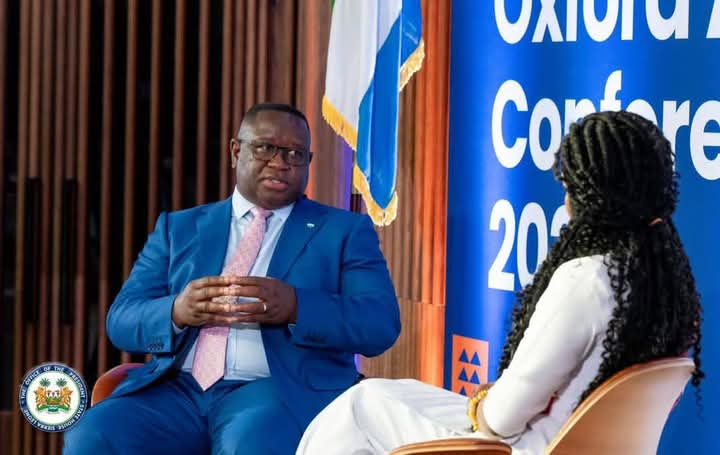
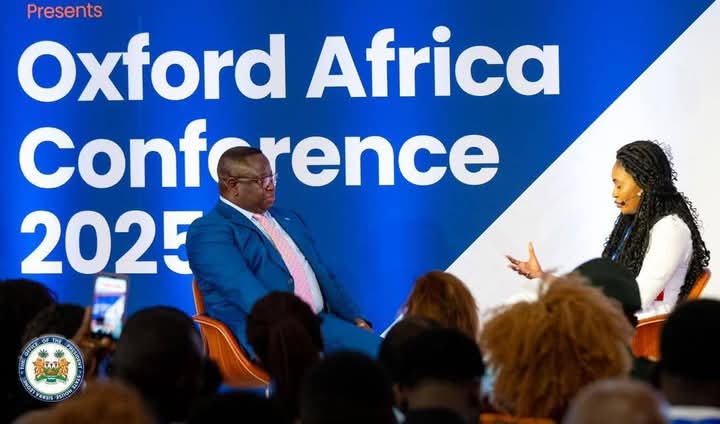
Speaking under the theme “Changing Narrative: Vision, Action and Transformation of Africa”, President Bio described the persistence of a global narrative shaped by outsiders, one that reduces the continent to a story of “dependency, conflict, and underdevelopment.” He challenged this portrayal, urging African scholars, leaders, and citizens to take control of how Africa is perceived and presented on the world stage.
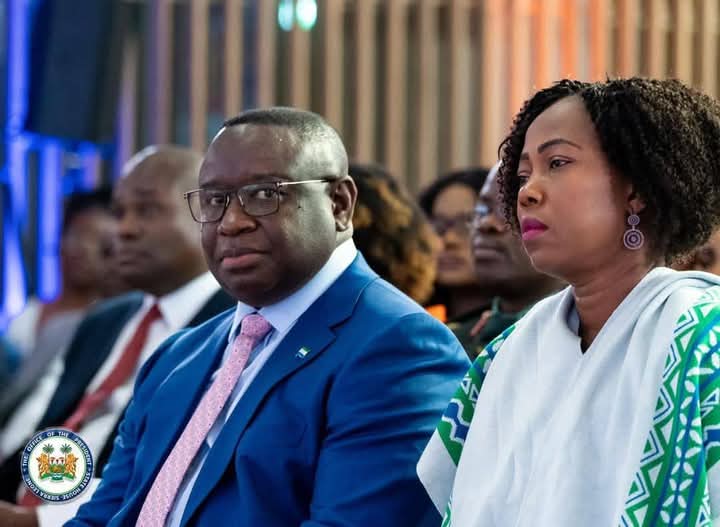
“For centuries, the narrative of Africa has been shaped by outsiders,” he said. “These external narratives have influenced global perceptions and, more dangerously, have shaped how we view ourselves.”
President Bio used the term “Quotidian African Agency” to describe the daily efforts of Africans, from farmers and artists to entrepreneurs and students, who are actively transforming their societies.
He highlighted Sierra Leone’s own model of African-led development through its five “Game Changers”: food security (Feed Salone), human capital development, youth employment, technology and infrastructure, and public service reforms.
The President also made a strong case for epistemic agency, calling for the decolonisation of knowledge and the elevation of African perspectives in global academic, economic, and governance spheres.
“Africans must lead knowledge production about Africa,” he emphasized. “By reclaiming our intellectual sovereignty, we lay the foundation for all other forms of agency.”
Throughout his speech, President Bio returned to a central message: Africa must speak with one voice, especially on critical issues such as climate change, trade, global governance, and economic justice.
In urging unity and strategic vision, he reminded the audience of Africa’s historical efforts to assert its dignity and sovereignty, invoking the formation of the Organisation of African Unity in 1963.
“Africa is watching. The World is listening. History is waiting,” President Bio concluded.
His remarks received a standing ovation from a distinguished audience that included WTO Director-General Ngozi Okonjo-Iweala, scholars, and students from the Oxford Africa Society, a group President Bio commended as “a powerful community of change agents.”
As Africa continues to grapple with global inequalities and internal challenges, President Bio’s keynote offered a resonant and urgent call: that Africans must be the primary architects of the Africa they envision.
For further information:
State House Media and Communications Unit