
London, Friday 23 October 2026
Sierra Leone’s Chief Minister and Chief Innovation Officer, *Dr. David Moinina Sengeh*, has concluded two intensive days of high-level engagements in London, advancing the country’s interests across diplomacy, trade and investment, renewable energy, digital transformation and artificial intelligence.
On Wednesday 21 October, Dr. Sengeh met *Kirsty McNeill, UK Minister for International Development and Africa*, at the Foreign, Commonwealth and Development Office (*FCDO*), where discussions focused on the UK’s upcoming G20 Presidency, the need for more inclusive global institutions, and continued British support for investment in Sierra Leone.
He also met *Ben Ainsley, His Majesty’s Deputy Trade Commissioner for Africa*, with discussions focusing on expanding bilateral trade and investment. Dr. Sengeh highlighted the UK’s preferential trading arrangements for developing countries, including duty-free access for most goods, as an opportunity for Sierra Leone to expand exports and deepen commercial ties. Mr. Ainsley is expected to participate in next month’s *West African Integration and Investment Summit in Freetown*.
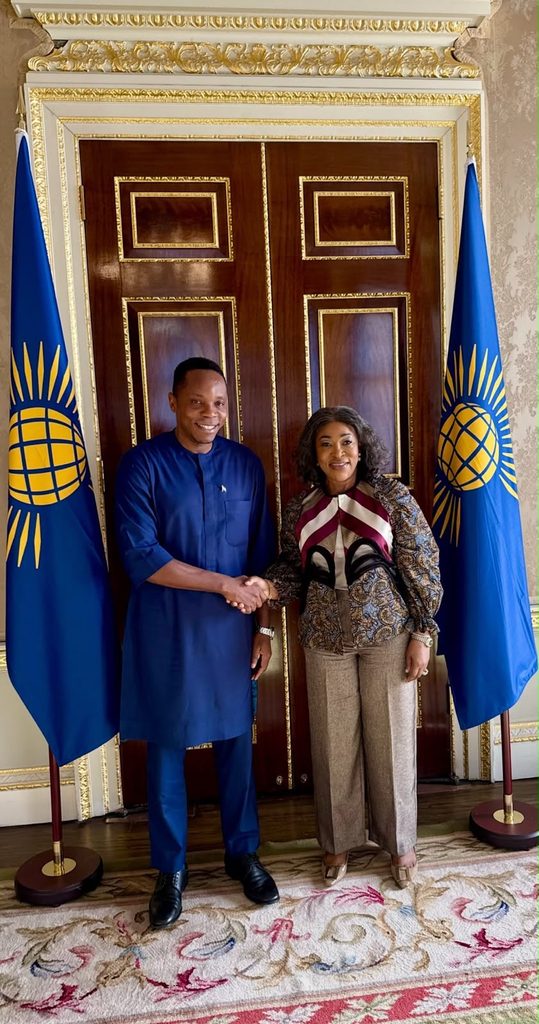
Thursday began at Marlborough House, where the Chief Minister met *Commonwealth Secretary-General Hon. Shirley Ayorkor Botchwey*. Discussions covered *CHOGM 2026, investment, climate finance and Commonwealth support for Sierra Leone’s national cohesion and development*.
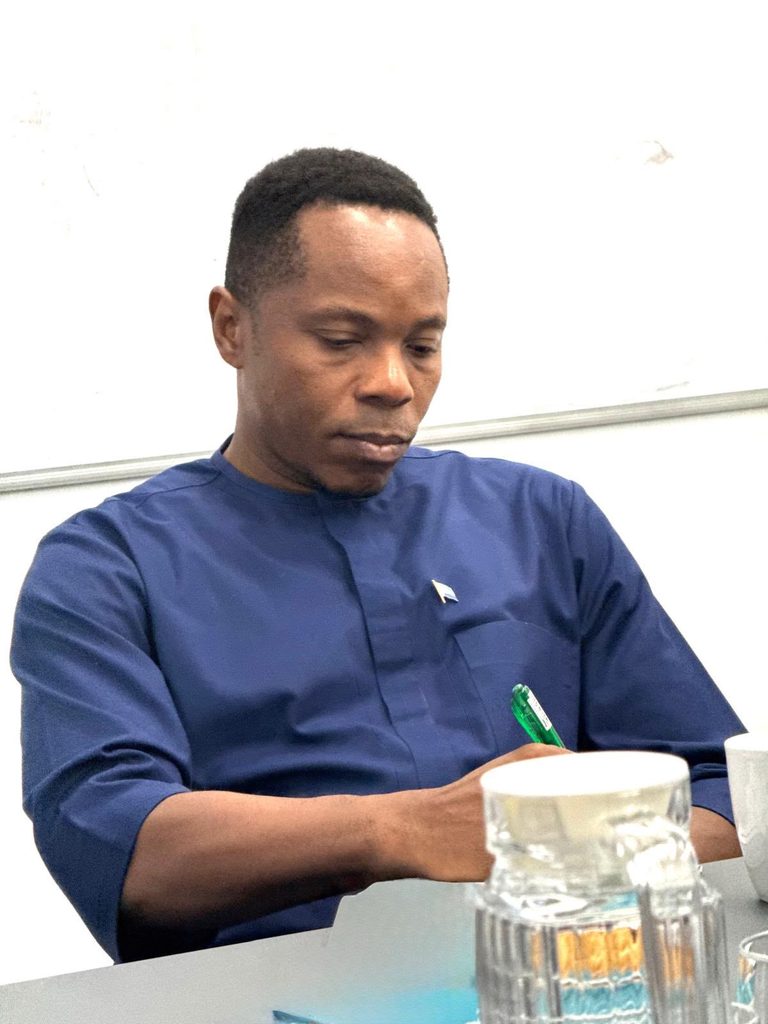
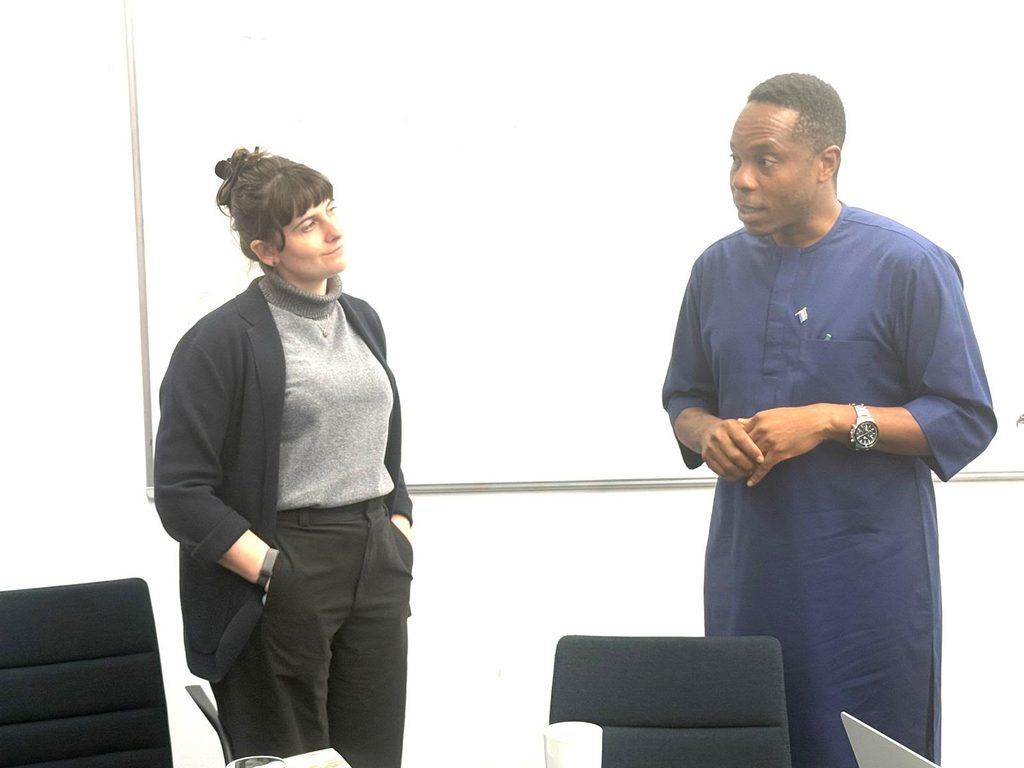
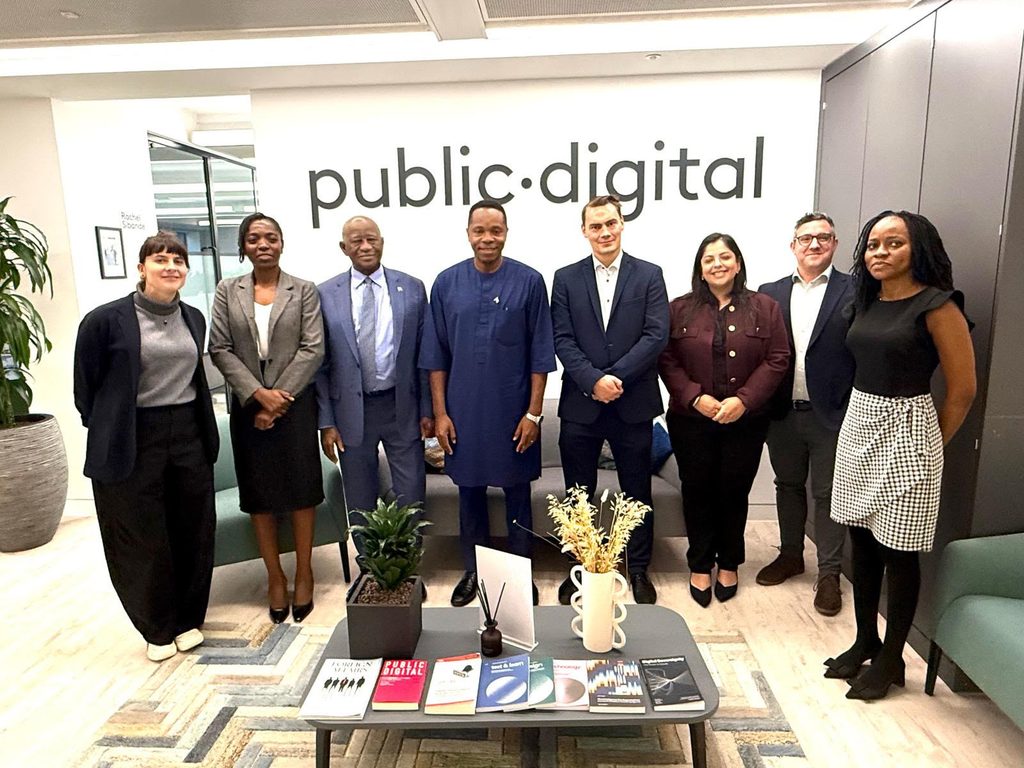
At *Public Digital*, 262 High Holborn, Dr. Sengeh engaged with senior officials, including founder Andrew Greenway, on *global digital trends and opportunities for collaboration* as Sierra Leone advances its *digital transformation*, resilience and sovereignty.
The London-based consultancy has worked with governments in more than 40 countries, while members of its founding team helped establish the UK’s *Government Digital Service (GDS)*, credited with saving British taxpayers billions of pounds between 2011 and 2015.
Discussions emphasised *building not only technology, but the people, institutions and skills* needed to develop secure public systems at scale. Dr. Sengeh highlighted *cybersecurity, data protection and national control over critical digital infrastructure* as Sierra Leone continues to digitalise public services and payments.
He argued that the emerging *AI revolution* should not recreate *Cold War divisions* in which developing countries are forced to choose between competing global powers. *Africa*, he said, *should have the agency to draw on the best technology, capital and expertise available according to its development priorities*.
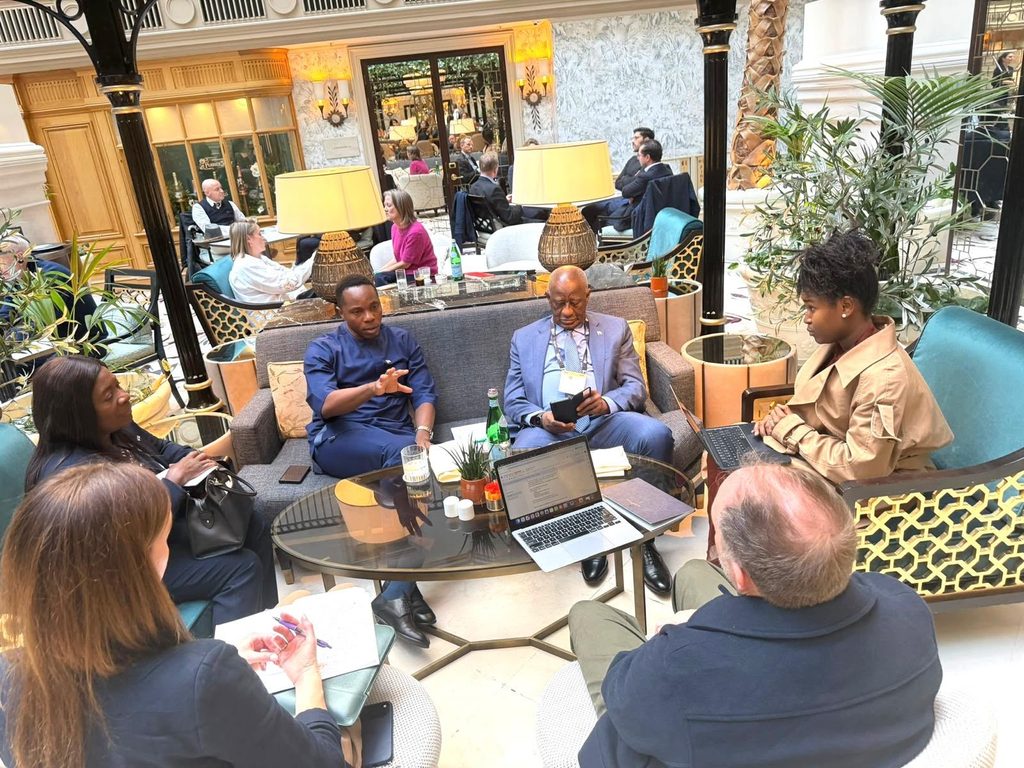
Dr. Sengeh subsequently met senior representatives of *Octopus Energy*, Andrew Campbell, Ashleigh Gray and Ella Johnson, to discuss the company’s *renewable-energy engagement* in Sierra Leone, including its *pioneering wind, solar and battery project on Sherbro Island*.
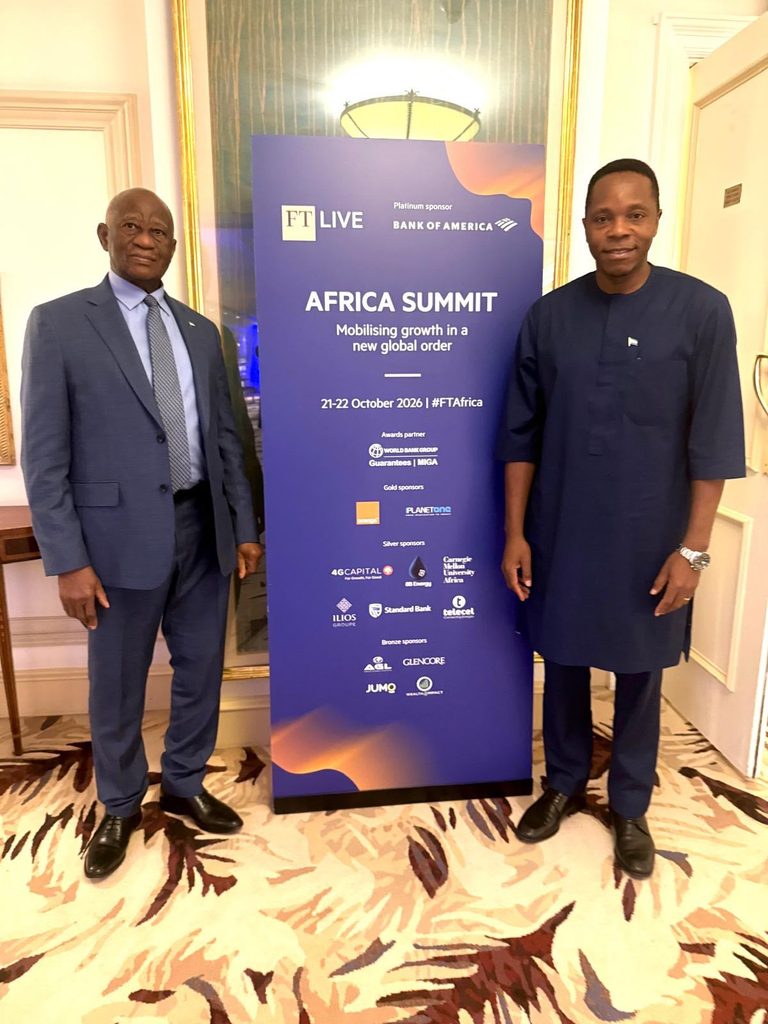
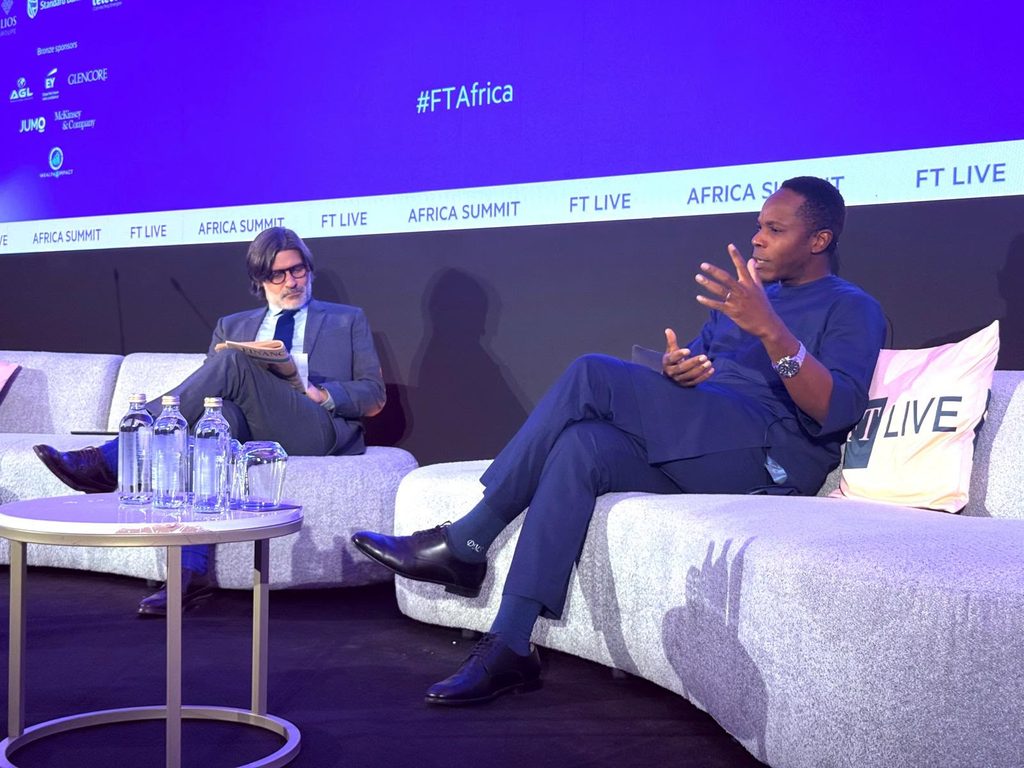
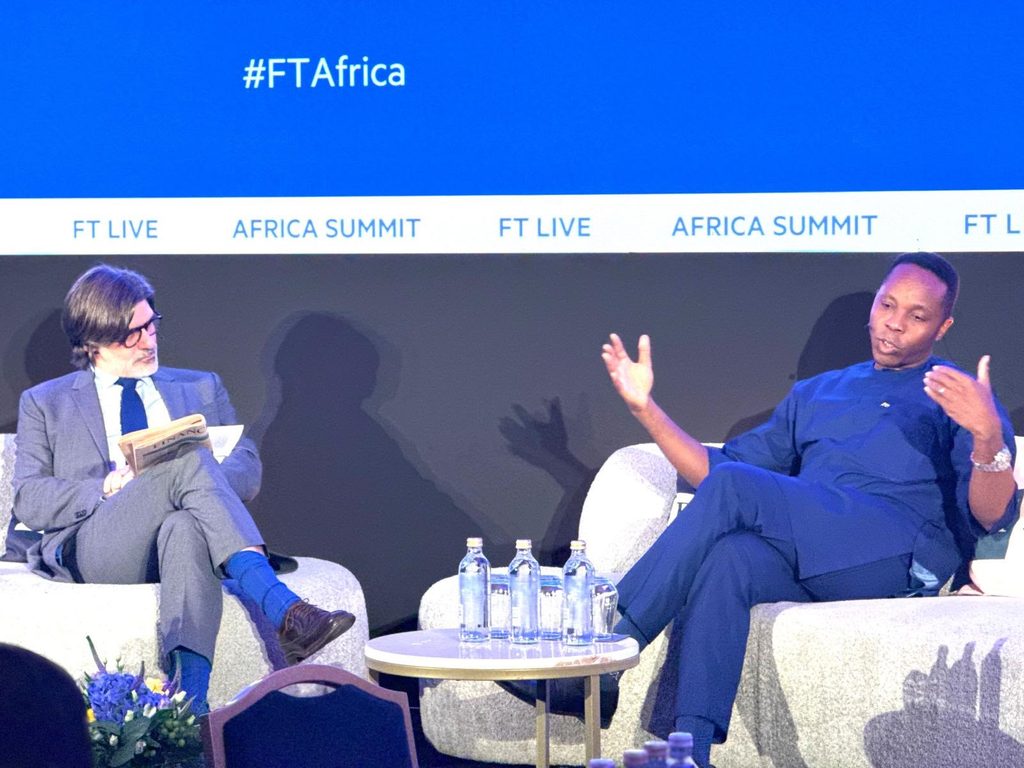
The Chief Minister later carried his digital message to the *13th Financial Times (FT) Africa Summit*, held at The Landmark London Hotel.
The Summit, a major international forum, brought together African leaders, policymakers, investors and business executives to discuss *the continent’s economic and investment future*.
Held under the theme “*Mobilising Growth in a New Global Order,*” this year’s gathering provided an influential platform for Dr. Sengeh to position Sierra Leone’s digital transformation agenda before global decision-makers and potential investment partners.
Reflecting on his journey from Chief Innovation Officer to Education Minister and now Chief Minister and Chief Innovation Officer, Dr. Sengeh explained how innovation and digitalisation have remained central to his work. Drawing on that experience, he widened the conversation beyond Sierra Leone, posing a fundamental question: *where does Africa sit in the emerging global AI order*?
Exploring that question further, Dr. Sengeh warned against a handful of powerful countries dominating technologies that will increasingly shape global development.
“*AI is looking like geopolitics on steroids*,” he observed, cautioning that fragmentation could leave smaller countries dependent on vital and increasingly existential technological decisions made elsewhere.
For Dr. Sengeh, *digital sovereignty* does not mean every country must build every technology it uses, but that countries must *retain sufficient control over critical data, infrastructure and technological choices to protect their national interests*.
Africa, he stressed, is “*not coming to the AI table empty-handed*.” Its linguistic diversity, youthful population, data resources and human capacity are valuable assets in developing and evaluating *future AI models*.
“*Development must come with inclusion*,” he underlined. “*Although we cannot all be equal, we can all be included in the opportunities that development creates*,” he emphasised.
As Dr. Sengeh departs London this morning for Freetown, he leaves behind strong *digital markers* from two days of high-level engagement, with the potential to deepen Sierra Leone’s technological and investment connections not only with the United Kingdom, but with the wider world.
Abdulai M. Braima
Information Attaché